
Our Impact in Numbers


Consolidating Climate Change Policies and Governance Structures
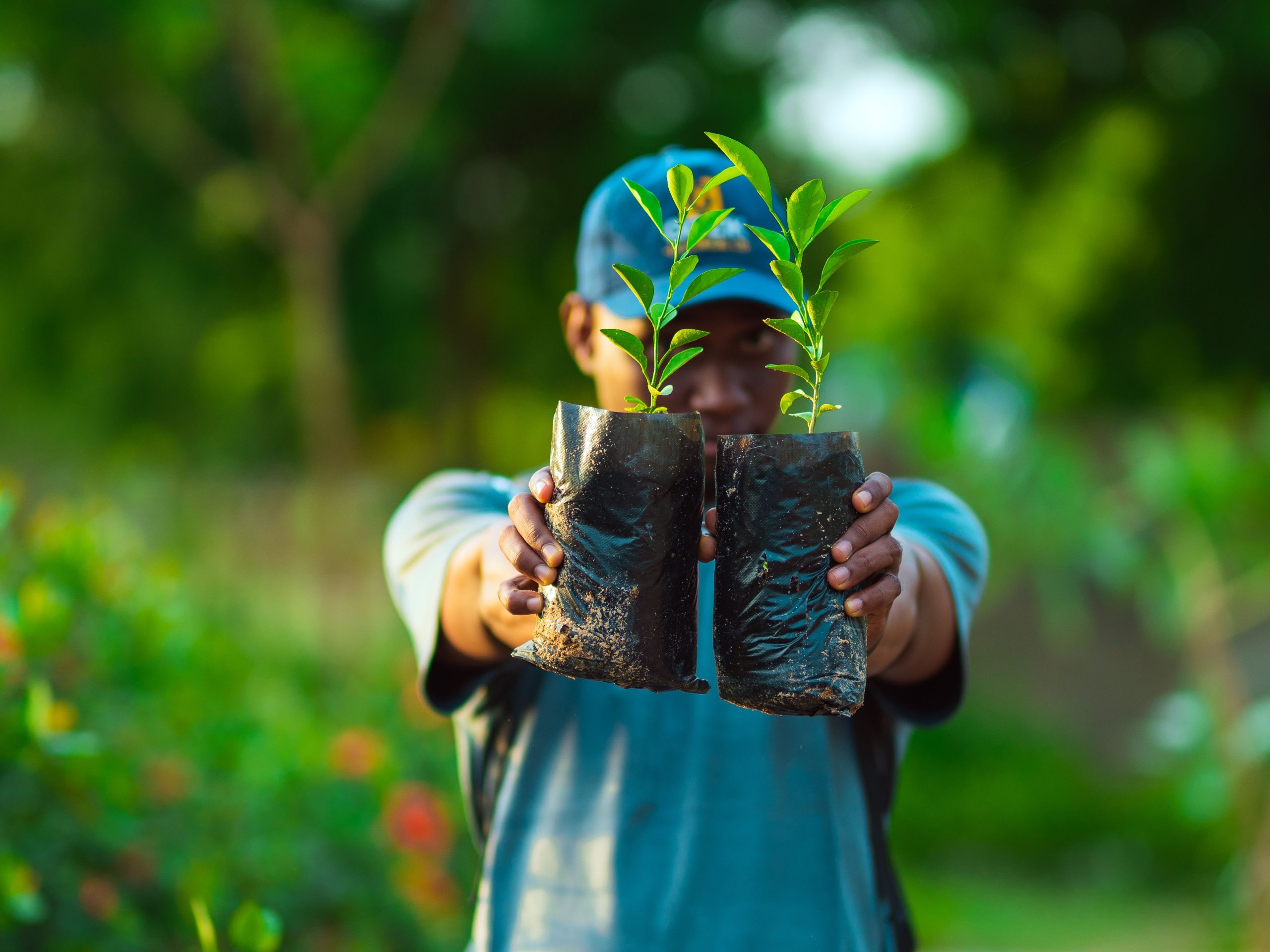
Climate action is increasingly anchored in policies, legislation and institutional structures that can sustain reform in the long run. In Kano, a Climate Change Policy was approved, and lessons from that process informed climate policy development in Jigawa and Abia.
Climate Change Departments were established with desk officers at the state level in Jigawa, while Kaduna and Kano have extended this to all their local governments—23 and 44 respectively.These desk officers are ensuring implementation of climate change policies, stronger coordination of climate priorities and deeper climate integration across sectors.
Enabling climate laws are now in place or in progress across these states.
Making Budgets Work for Climate Action
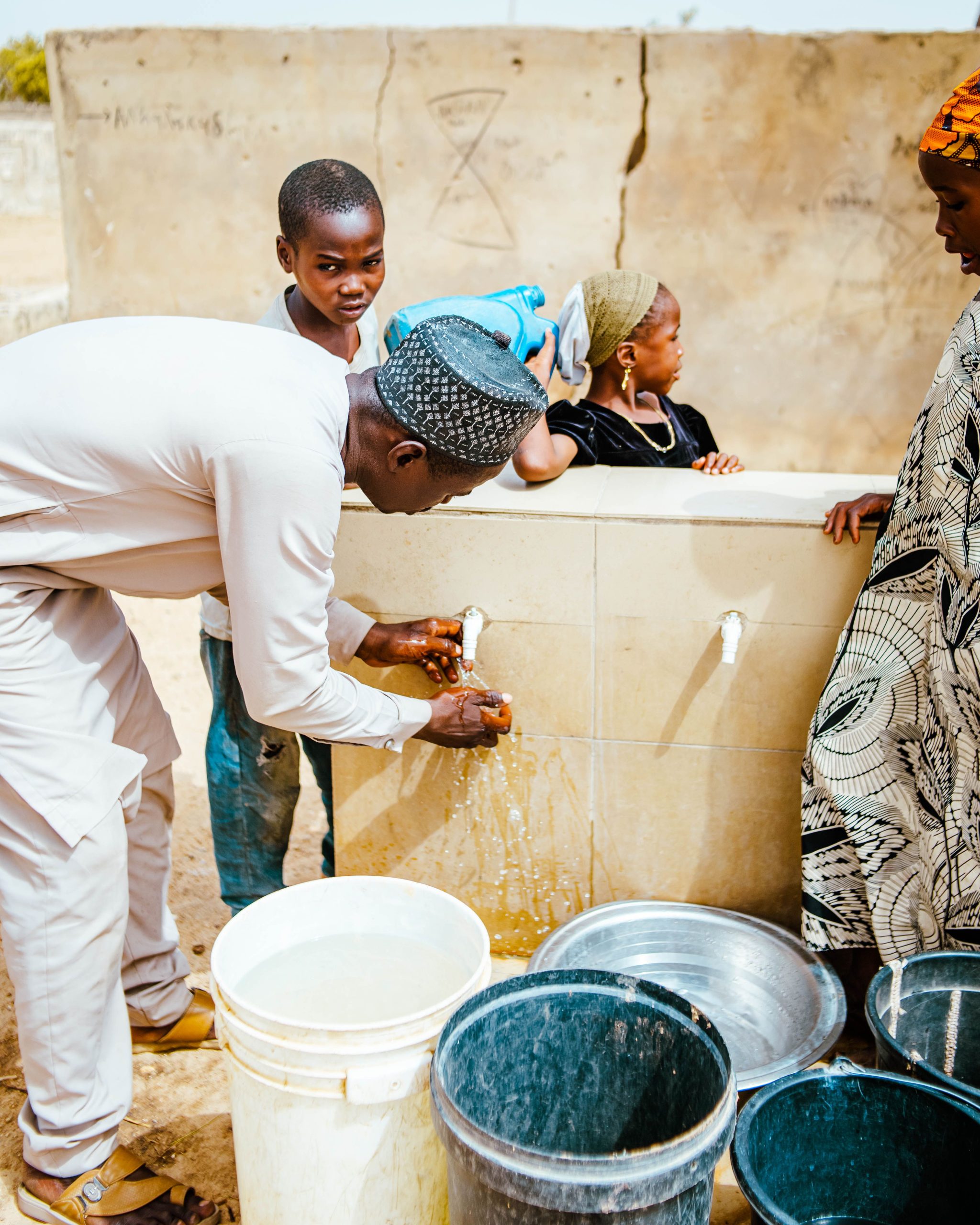
A total of 94 local governments in the Northwest—44 in Kano, 23 in Kaduna and 27 in Jigawa—have integrated climate considerations into their budgeting processes, strengthening the connection between climate priorities and public finance.
Climate-related allocations reached N196.6 billion in 2025.
Climate priorities were also embedded more deeply into planning through a climate-responsive Medium-Term Expenditure Framework for 2026–2028.
Subnational Ranking:
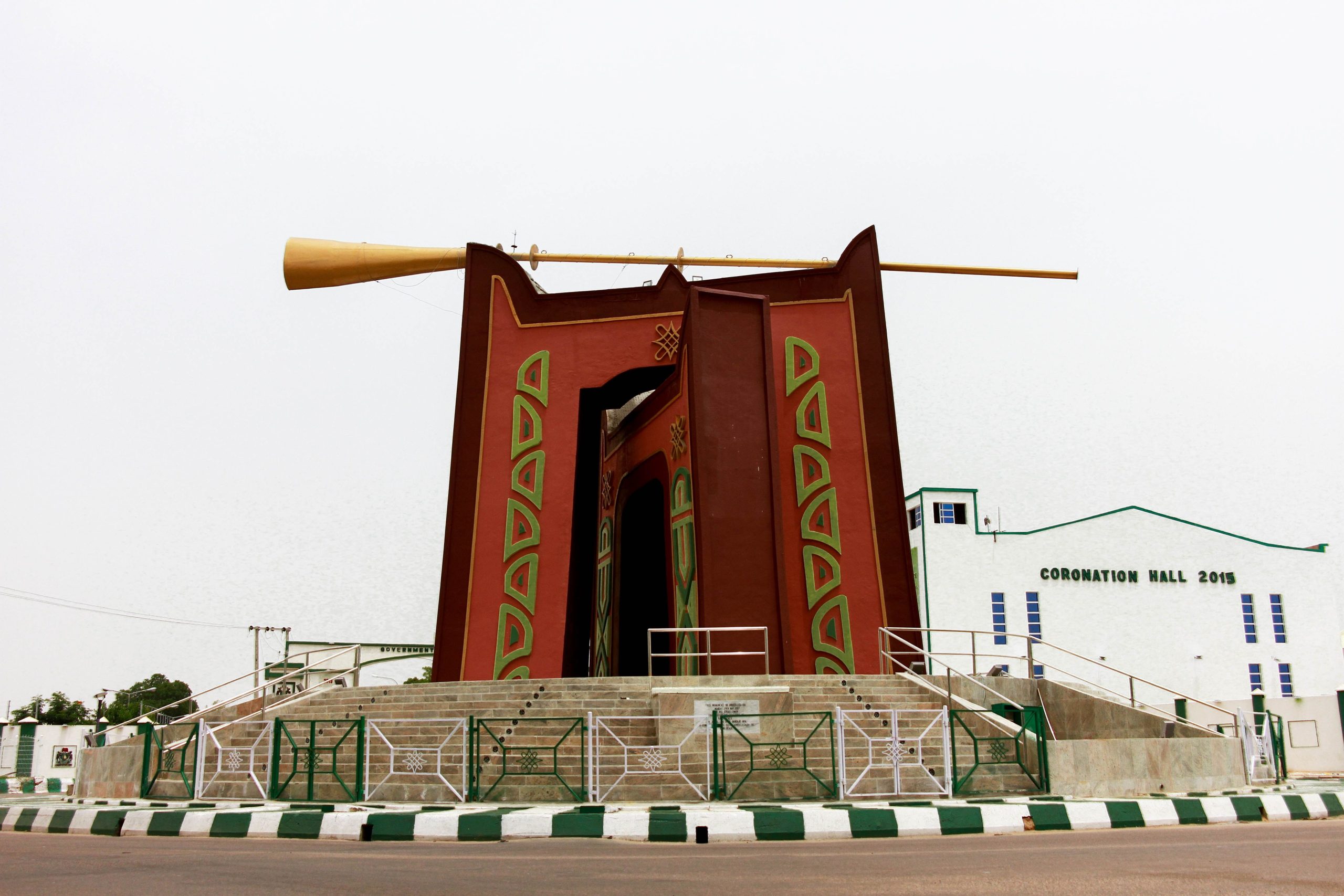
Kano and Kaduna are now ranked among Nigeria's top-performing states on climate governance.
Kano climbed from 35th to 4th nationally, while Kaduna ranked 3rd, reflecting significant progress across institutional performance, policy implementation, climate finance, project delivery, monitoring, and public engagement.
Revenue & Investment
Digital tax administration, harmonised revenue collection, stronger compliance systems, and medium-term revenue planning transformed domestic revenue mobilisation across Kano, Kaduna and Jigawa.

Increasing Capacity to Finance Development Priorities
Digital tax administration, harmonised revenue collection, stronger compliance systems, and medium-term revenue planning transformed domestic revenue mobilisation across Kano, Kaduna and Jigawa. Kano increased IGR from N75.30 billion to N102.26 billion, while Kaduna increased IGR from N70.07 billion to N86.72 billion.
Creating Better Conditions for Investment
Investment readiness and ease of doing business improved through reforms that strengthened investment governance, institutional performance and investor-facing services. Kano approved a Public-Private Partnership framework, Kaduna advanced reforms in mining, transport and fiscal management, and Jigawa strengthened investment competitiveness through the Investment Benchmarking and Peer Performance System (IBPPS).
HOPE Gov Qualification
Kaduna, Kano and Jigawa met the critical prequalification criteria under the World Bank HOPE programme through PACE's work in strengthening the planning, budgeting, reporting and accountability systems required by the programme. This establishes the institutional foundations needed to compete for between US$350 million and US$430 million in performance-based financing linked to improvements in governance and service delivery.